
Dracula 2026 Ending Explained
Dracula 2026 ends with Vlad/Dracula willingly surrendering to the Priest so he can be killed, breaking his own curse and saving Mina’s soul from becoming a vampire.
After the bloody final siege at the castle, Dracula could easily escape or fully turn Mina, but he realises that condemning her to eternal darkness would repeat the same tragedy that started his story.
The Priest tells him that true repentance and sacrifice are the only way out of the 400‑year curse he brought on himself when he renounced God.
So Dracula locks Mina away to stop her from interfering, walks out to face the Priest, and allows the stake to be driven through his heart – not in a big heroic battle, but almost as a quiet surrender.
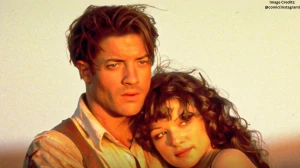
As he dies, he reverts to a frail old man and turns to dust, and the film shows Mina holding him in his last moments while the curse lifts: other victims are restored, the sun rises, and the sense is that his soul finally finds peace.
The twist in this version is that Dracula’s final act is not monstrous at all – it is a love story choice, putting Mina’s future above his own hunger and loneliness.
Dracula Release Date
Dracula (2026), directed by Luc Besson, was released exclusively in theatres in the US on February 6, 2026. Vertical is handling the release, with the film positioned as a dark, operatic reimagining of Bram Stoker’s classic, blending gothic horror with tragic romance.
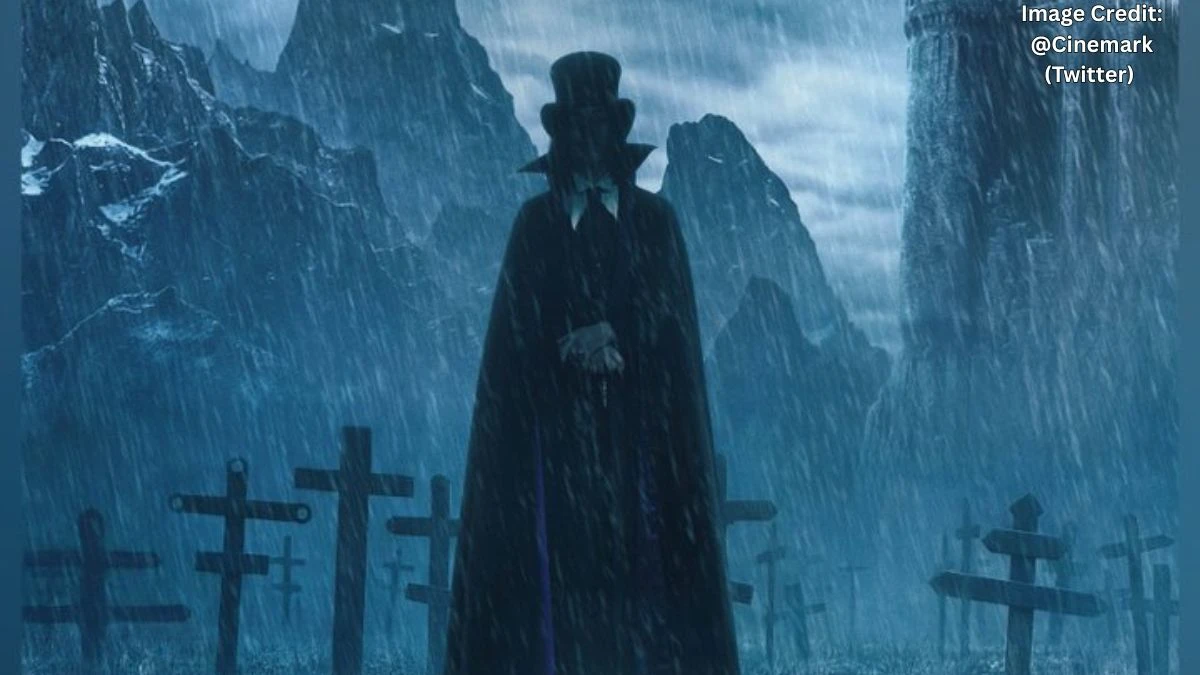
@Cinemark shared on X a new poster for Dracula, announcing the film will release in theaters on February 6 with the tagline “Centuries of waiting led him back to her.”
Early coverage suggests a typical one‑month gap before a digital/VOD rollout, so viewers who missed it theatrically will likely see it land on online platforms around mid‑March 2026.
The theatrical launch comes alongside several other genre titles that weekend, but Dracula is being marketed very much as a “director‑driven” vampire film – something for fans who enjoy stylised visuals and character‑heavy storytelling rather than just jump scares.
That also explains why the ending leans more into emotional closure and redemption than a simple “stake the monster and roll credits” routine.
Dracula Cast
Dracula 2026 features Caleb Landry Jones in the title role, leading a cast that mixes European and Hollywood talent. Jones plays Vlad/Dracula across different time periods, from a grieving 15th‑century prince to a cursed immortal, and several reviewers highlight how the performance makes the character both unsettling and strangely sympathetic.
Key cast members include:
-
Caleb Landry Jones as Vlad / Dracula
-
Christoph Waltz as the relentless Priest hunting him
-
Zoë Bleu as Elisabeta, Dracula’s first great love
-
Matilda De Angelis and Ewens Abid in pivotal supporting roles
-
Guillaume de Tonquédec and Raphael Luce in key ensemble parts
Luc Besson writes, directs, and produces, with Mark Canton, Dorothy Canton, Ryan Winterstern, and Philippe Corrot among the executive producers, underlining this as a high‑profile, auteur‑style take on the material.
The casting of Christoph Waltz as a morally complex Priest is especially important to the ending, because his character becomes the one person Dracula has to trust to kill him properly and end the curse.
About Dracula
Dracula reimagines Bram Stoker’s tale as the journey of a prince whose rage at losing his wife turns him into the legendary vampire.
After his beloved Elisabeta is brutally killed, Vlad renounces God in a violent act of blasphemy, which leads to his transformation into Dracula – an immortal warlord fuelled by grief and vengeance.
Centuries later, he crosses paths with Mina, who resembles his lost love, and that recognition pulls the story toward tragic romance rather than straightforward horror.
The film’s final act brings everything back to the core themes: faith, guilt, and whether someone as damned as Dracula can ever find redemption.
By choosing death at the hands of the Priest to save Mina and undo his own curse, Dracula’s ending turns into a kind of twisted happy ending – not in the fairy‑tale sense, but in the sense that the suffering finally stops, both for him and for the people trapped in his shadow.