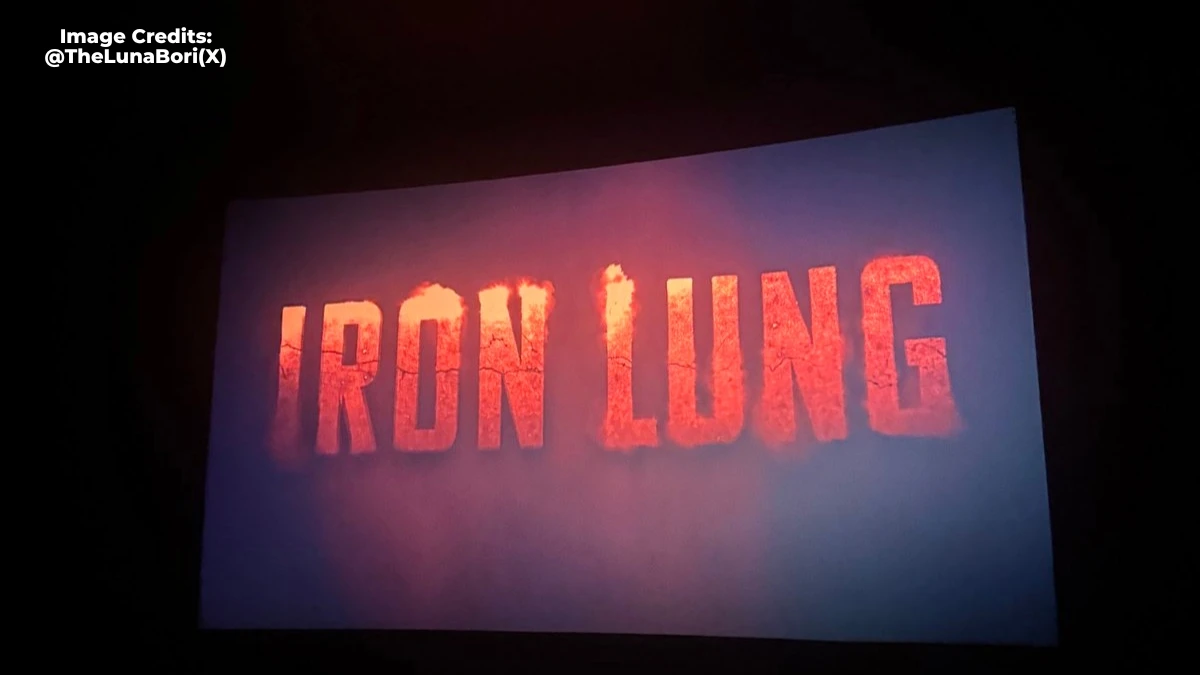

Iron Lung’s Terrifying Final Dive
If you've just watched Markiplier's Iron Lung (the 2026 sci-fi horror film he wrote, directed, and starred in), you're probably still reeling from that claustrophobic, blood-soaked ending.
The movie adapts the indie horror game of the same name, dropping us into a post-apocalyptic nightmare after the mysterious "Quiet Rapture" event wiped out stars and habitable worlds.
Our protagonist, convict Simon (played by Markiplier himself), gets forced into piloting the SM-13 sub, nicknamed the "Iron Lung," through an ocean of literal human blood on the desolate moon AT-5.
The whole thing builds this suffocating tension inside a welded-shut tin can, with hallucinations, creepy discoveries, and voices from the surface messing with his head.
And yeah, that finale leaves a lot of people scratching their heads. What really happens to Simon? Does the data get saved? Is there any hope, or just cosmic despair? No worries, let's break it down without spoiling anything extra beyond what's needed.
Iron Lung Plot Summary (Spoiler Warning)
Heavy spoilers ahead, turn back if you haven't seen it!
In this bleak future, humanity's remnants (the Consolidation) are desperate for answers after the Quiet Rapture. They send disposable convicts like Simon to scout weird phenomena, like the blood ocean on AT-5.
Locked in the sub with no escape hatch, he navigates blind using sonar and an X-ray camera, uncovering wrecked subs, eerie skeletons (or whatever those moving bone shapes are), and the horrifying truth: the ocean is made of human blood from failed expeditions or something far worse.
Things ramp up with hallucinations, sub damage, conflicting orders from the surface (including from Ava, who seems to care), and a mysterious voice inside the sub pushing its own agenda.
Simon grapples with guilt from his past crimes, radiation exposure, and the growing sense that he's not just exploring, he's being consumed.
Iron Lung Ending Explained
What Happens in the Final Scenes?
The climax hits hard: the sub starts flooding with blood and fleshy tendrils that snake in, mutating Simon's body as voices overlap in chaos, Ava's apologies, the mysterious recording, everything blending.
Ava confesses she can't pull him out and begs him to protect the black box data from SM-8 (a previous sub), since it might hold keys to saving what's left of humanity.
Simon makes his choice, he attaches the black box to a life vest buoy, sabotages the sub to ensure it implodes (taking the creature with it?), and rams toward the massive entity that's been lurking.
The creature bites down, the hull crushes under pressure, Simon dies in the implosion... and we cut to the life vest floating on the blood ocean's surface, beacon light blinking steadily. The data's out there, waiting.
Did Simon Save Humanity or Doom It?
It's a grim, ambiguous win. Simon's sacrifice seems aimed at destroying the threat while giving the data a shot at being recovered; that blinking beacon suggests someone (or something) could still find it.
But the universe in Iron Lung is brutally indifferent; even if the data helps, humanity's remnants are tiny and fractured. Simon doesn't get redemption or survival; he just buys a tiny chance for others at the cost of everything he has left.
It's classic cosmic horror: your actions matter, but the cosmos doesn't care.
The Meaning of the Blood Ocean and “Quiet Rapture”
The blood ocean ties into the lore; it's likely a byproduct of the Quiet Rapture, a cataclysm that split reality or devoured worlds, with failed missions adding to the "sea" of lost lives.
Theories float around (merging with the ocean, the creature as universal hostility, convicts as tools), but the film keeps it vague on purpose.
Simon's transformation and the voices hint at a hive-mind or assimilation horror, emphasising exploitation and the price of forbidden knowledge.
Does Iron Lung Have a Post-Credit Scene?
Is There Anything After the Credits?
Nope, no post-credit scene, mid-credit stinger, hidden audio, or extra footage. The story ends with the life vest floating, then straight into normal credits (which do have cute Polaroids of the cast and crew, including shoutouts to folks like Jacksepticeye). If you walk out right after the final image, you haven't missed any story.
Why Iron Lung Skips a Post-Credit Stinger
This choice fits the film's vibe perfectly: no easy answers, no sequel bait, no comfort. Unlike big franchises that tease more, Iron Lung leaves you isolated with the horror, mirroring Simon's trapped, hopeless situation.
It reinforces themes of insignificance and cosmic cruelty; the universe doesn't give closure, so why should the movie?
What Was the Budget for the Iron Lung?
Markiplier self-funded this indie gem through Markiplier Studios, with a production budget reportedly under $3 million (some say closer to low-SAG levels around $2M or less, with minimal marketing).
It exploded at the box office anyway, opening weekend pulled in around $17-18 million domestically (plus international), hitting over $20-23 million worldwide in its first stretch.
That's a massive return (6-7x the budget or more), turning it into a legit low-budget horror success story, much like his earlier Five Nights at Freddy's win.
Iron Lung Sequel Possibilities and “Deleted Ending” Talk
Fans chat about possible alternate endings (like less bleak ones hinted in interviews or clips), but the final cut sticks to its dark path; no "happier" version made it in.
With the strong box office, a sequel isn't impossible (the game's universe has room to expand), but nothing's been officially announced yet. It's all speculation for now, driven by the financial win and lingering lore.
Iron Lung Themes and Symbolism
At its core, the film dives into cosmic horror (you're nothing in a hostile universe), exploitation (convicts as cannon fodder), and the burden of knowledge (preserving data vs. the moral cost).
Simon's final act denies easy heroism, no triumphant survival, no pat resolution. It forces you to sit with the bleakness, which is exactly what makes the ending so effective and divisive.
Disclaimer:
This breakdown is based solely on the film's content, publicly available interviews, official reports (like Wikipedia, Box Office Mojo, and Forbes), and fan discussions from reliable sources as of early February 2026. Interpretations can vary, horror like this thrives on personal takes. No unconfirmed rumors or fake details included. If you're planning to watch, dive in prepared for the intensity!