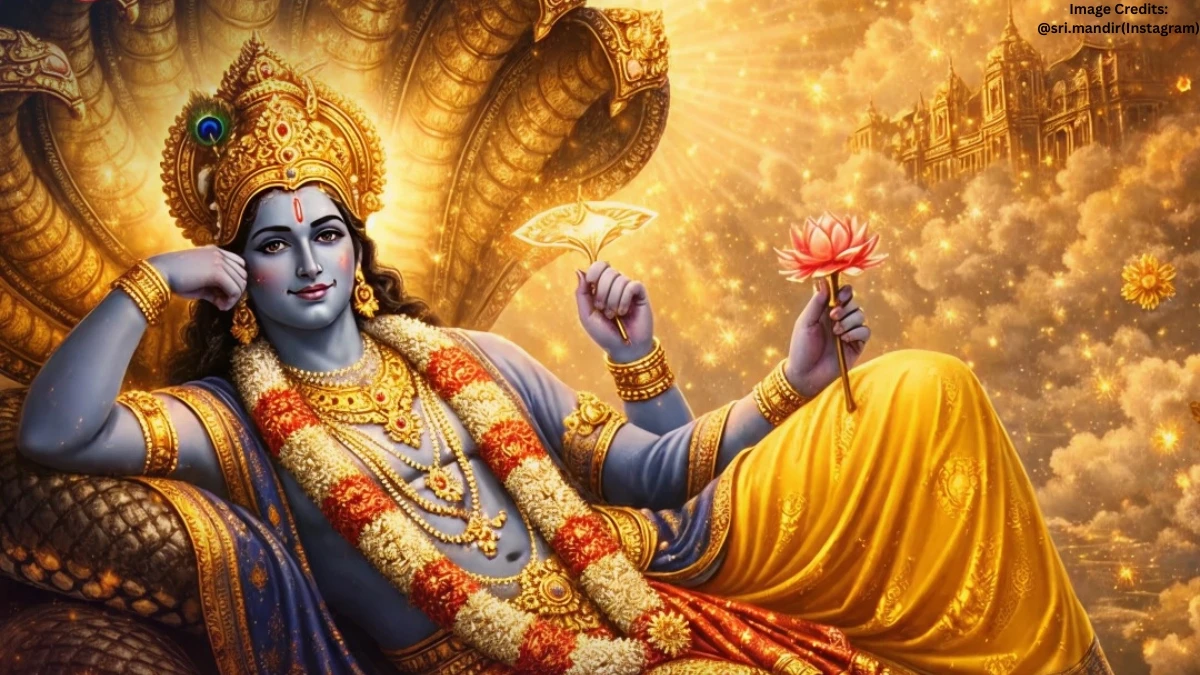

Jaya Ekadashi 2026 Date and Time
Jaya Ekadashi in 2026 will be observed on Thursday, 29 January 2026, in the month of Magha Shukla Paksha as per the Hindu calendar in India.
For those who like exact tithi details, the Ekadashi tithi begins at 4:35 PM on 28 January 2026 and ends at 1:55 PM on 29 January 2026.
The fast is kept on 29 January based on Udaya tithi (sunrise rule), which most major panchangs and news portals clearly mention for 2026.
Breaking the Ekadashi fast (Parana) is done on Friday, 30 January 2026, generally between 7:10 AM and 9:20 AM for most locations in North India, with Dwadashi tithi ending around 11:09 AM.
Vaishnava traditions may follow a slightly extended Parana window (around 7:10 AM to 10:45–10:50 AM), so checking the local temple or regional panchang is recommended for precise city-wise timing.
A quick snapshot for India :
-
Ekadashi tithi start – 28 January 2026, 4:35 PM
-
Ekadashi tithi end – 29 January 2026, 1:55 PM
-
Vrat (fasting) day – Thursday, 29 January 2026
-
Parana date – Friday, 30 January 2026
-
Parana time – approx. 7:10 AM to 9:20 AM (check local sunrise-based calendar)
This way, devotees get both the exact Ekadashi timing and a practical idea of when to start and break the fast without getting lost in overly technical time-zone tables.
What is Jaya Ekadashi?
Jaya Ekadashi is a Vishnu-focused Ekadashi fast observed on the 11th day of Shukla Paksha in the Magha month, believed to destroy sins and free the soul from lower or restless states.
It is also known as Bhishma Ekadashi or Jaya/Bhaimi Ekadashi in some regions and is praised in scriptures like the Padma Purana for granting spiritual progress and protection from “Pishach yoni” – disturbed, ghost-like existence caused by past karma.
In simple words, this Ekadashi is treated as a cleansing day for the mind and heart, not just the body.
Many families treat Magha Shukla Ekadashi as a soft reset in the new year – a day to slow down, avoid tamasic food, and quietly sit with Vishnu mantras or simple bhajans.
In some Vaishnava communities, Jaya Ekadashi also falls during the period when the Mahabharata hero Bhishma is remembered on his bed of arrows, so the name “Bhishma Ekadashi” carries an emotional layer of devotion, duty and surrender.
Jaya Ekadashi 2026 Story and Mythological Importance
The main Jaya Ekadashi story tells of a celestial gandharva named Malyavan and an apsara named Pushpavati, who were cursed to suffer in a miserable ghostly form due to disrespect and distraction in Lord Indra’s court.
According to the legend, they wandered in that painful state for a long time until, by good fortune, they unintentionally observed the Jaya Ekadashi fast – staying hungry, repenting, and spending the night in sincere remembrance of the divine – and were finally freed from the curse and restored to their heavenly status.
The message behind this story is quite direct: even heavy past mistakes can be lightened when there is genuine repentance and disciplined remembrance of the Lord.
The vrata is said to remove obstacles related to past lives, restless thoughts, and negative tendencies that keep coming back like an old, unwanted habit.
Many katha books also mention that simply hearing the Jaya Ekadashi story gives punya, and observing the fast with faith can protect from lower births and grant residence in Vishnu’s abode (Vaikuntha).
In 2026, several spiritual organizations, temples, and online satsang platforms are highlighting this Ekadashi as a good opportunity for “inner cleansing” early in the year, especially for people dealing with anxiety, guilt, or a feeling of being stuck.
Jaya Ekadashi 2026 Fasting Rules and Rituals
For Jaya Ekadashi 2026, the basic rule is to keep the fast on Thursday, 29 January 2026, follow a simple, sattvic routine, and do Parana on the morning of Friday, 30 January 2026, within the advised time window.
There are different levels of vrata; people usually choose according to their health and capacity rather than forcing extreme austerity.
Common practices followed on this Ekadashi include:
-
Waking up early, bathing, and taking a clear sankalp (vow) to observe Jaya Ekadashi fast for spiritual growth and forgiveness of past mistakes.
-
Avoiding grains, rice, wheat, lentils and heavy fried food; many follow a phalahar (fruits, milk, nuts, light non-grain items) style diet.
-
Worshipping Lord Vishnu or Krishna with tulsi leaves, incense, lamp, and simple offerings, along with chanting of names like “Om Namo Bhagavate Vasudevaya.”
-
Reading or listening to the Jaya Ekadashi Vrat Katha in the evening, either at home or through online satsangs that are widely streamed now.
-
Staying away from anger, gossip and negativity as much as possible, and using the day for japa, bhajans, or quiet reflection.
People who cannot do a nirjala (waterless) or strict upvas usually opt for:
-
Light fruits, milk, herbal drinks, or ekadashi-friendly recipes made from sabudana, samo rice, or kuttu, as per local tradition.
-
Medication and necessary food for health conditions, with the intention of keeping the mind in vrata even if the body cannot.
Parana in 2026 should be done on 30 January, after sunrise and before the Parana window closes (around 9:20 AM in many Indian panchang references), while Dwadashi tithi is still running.
Many families begin Parana with water, tulsi, and a small prasad, and only then move to regular meals, keeping a gentle, grateful mood rather than rushing back to heavy food immediately.
Spiritual Benefits of Observing Jaya Ekadashi Fast
Jaya Ekadashi is believed to free the devotee from ghostly or restless states, reduce the weight of past sins, and bring the soul closer to liberation (moksha).
Scriptural references explain that this Ekadashi particularly protects against lower births and suffering caused by harmful actions done knowingly or unknowingly.
Some commonly mentioned spiritual benefits are:
-
Inner lightness: A sense of emotional relief and reduced guilt, especially when the fast is combined with honest self-reflection and prayer.
-
Stronger devotion: Regular observance of Ekadashi, including Jaya Ekadashi, is seen as a tool to keep the heart engaged with Vishnu, even amid work and family responsibilities.
-
Protection and stability: Many devotees feel that consistent Ekadashi vrat builds a subtle protective shield, bringing more clarity in decisions and more stability in relationships.
-
Progress on the spiritual path: The vrata is described as capable of granting Vaikuntha-dham and breaking cycles of repeated suffering, when done with sincerity rather than fear.
In recent years, especially with 2026 calendars and spiritual platforms highlighting mental health and stress relief, Jaya Ekadashi is being presented not only as a traditional vrat but also as a structured pause in the month – a day to detox from screens, overeating, and constant noise.
When observed with understanding, the fast becomes less about strictness and more about creating a quiet, heartfelt space where life, mistakes, and future direction can be seen more clearly in the light of devotion.
Disclaimer: The Information about Jaya Ekadashi 2026 is based on traditional Hindu panchang references and may vary slightly by location and sampradaya. Devotees are advised to confirm exact timings and rituals with their local priest, temple, or regional calendar before observing the fast.