
Who Was the Little Boy in the Halftime Show?
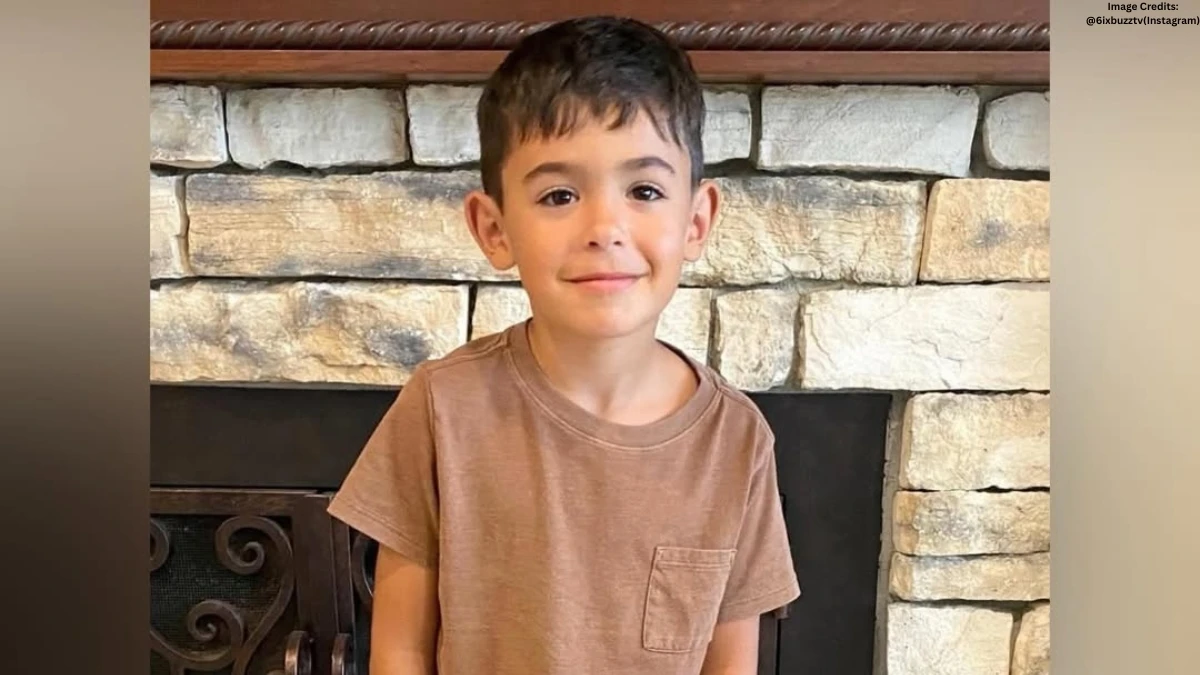
The little boy in the Super Bowl LX halftime show with Bad Bunny was 5‑year‑old child actor Lincoln Fox .
He appeared during the living‑room style scene where Bad Bunny walked over, handed him a real Grammy trophy and gently patted his head, which quickly turned into one of the most replayed clips of the game.
Lincoln is a young actor and model from Costa Mesa, California, with mixed Egyptian and Argentinian heritage, and his talent profile highlights work for brands like Walmart, Target, and Huggies even before this huge NFL moment.
On social media after the show, he shared that he would “remember this day forever,” which matched the wide reaction from viewers who saw the moment as a small but powerful symbol of kids seeing themselves on the biggest stage in American sports.
The scene was staged to look like a normal family watching Bad Bunny’s recent Grammy win on TV, and then suddenly the superstar steps out of the broadcast “into” the room to pass the trophy to the boy.
For many people, that visual read as a little daydream every kid has while watching a favorite artist: what if the screen opened up and the star walked straight into the living room.
Lincoln’s role was essentially to play a younger version of Bad Bunny, tying into themes of roots, identity, and big dreams rather than representing a specific real‑world child.
Was Liam in the Halftime Show?
No, Liam Ramos was not in the Super Bowl LX halftime show, even though many viewers on social media initially believed he was.
After the performance, posts went viral claiming the child in the scene was 5‑year‑old Liam Conejo Ramos from Minnesota, whose detention by ICE had received widespread media coverage and sparked strong emotional reactions nationwide.
The blue bunny imagery, the shared “Conejo” name, and the timing of Liam’s story made the theory feel believable at first glance, so the rumor spread very fast across X, Facebook, and Reddit.
However, multiple outlets and representatives stepped in to clear it up: Bad Bunny’s publicist, reporters from outlets such as HuffPost and ESPN, and people connected to the Fox family all confirmed the boy on stage was Lincoln Fox, not Liam.
There is no verified evidence that Liam attended Super Bowl LX, appeared in rehearsals, or took part in any part of the halftime production. The confirmed facts are simpler and more grounded than the viral theory: Liam’s case is real and ongoing in the immigration system, and the halftime‑show child was a professional actor playing a story role.
When Did the Halftime Show With the Little Boy Happen?
The little boy’s moment with Bad Bunny took place during the Super Bowl LX halftime show on Sunday, February 8, 2026, at Levi’s Stadium in Santa Clara, California.
The performance ran around the midpoint of the game, shortly after the second quarter ended, in the traditional NFL halftime window watched by tens of millions of viewers in the United States and worldwide.
In that time slot, the “living‑room Grammy hand‑off” quickly became one of the standout images of the entire broadcast, replayed in highlight reels and short clips across sports and entertainment channels within minutes.
For anyone searching later, the moment is often described in news headlines as “Bad Bunny gives Grammy to young boy during halftime” or “Who was the little boy in Bad Bunny’s halftime show,” which makes it easy to locate the exact clip.
The date and place matter for understanding the context too: Super Bowl LX arrived at a time when Bad Bunny had just come off a major Grammy win, so the trophy hand‑off worked as both a self‑reference and a little motivational scene for younger viewers.
Why Did Bad Bunny Include a Little Boy in the Halftime Show?
Bad Bunny included the little boy to act as a younger version of himself and to create a symbolic “passing the dream forward” moment, not to make a literal cameo by any specific child from the news.
The staging placed the boy in a modest home environment watching the Grammys, hinting at the idea that many big careers start exactly like that: a kid on a couch, watching someone who looks a bit like them win something huge and wondering if that could ever be possible.
Producers and sources quoted after the show described the scene as an artistic choice aimed at hope, representation, and imagination, especially for Latino and immigrant families watching together.
This also explains why the boy never speaks and why the camera focuses so tightly on the physical gesture of handing over the Grammy. The message lands through expressions, body language, and the contrast between the small hands holding a big, heavy trophy.
In that sense, Lincoln’s performance carries a lot of emotional weight in just a few seconds of screen time, showing how a well‑directed child actor can quietly anchor a key narrative beat in a huge live show.
Disclaimer: The information above is based on publicly available news and entertainment reports and may be updated as new verified details emerge. Viewers should cross-check key facts with official broadcasters or event organizers if using this content for professional or legal purposes.