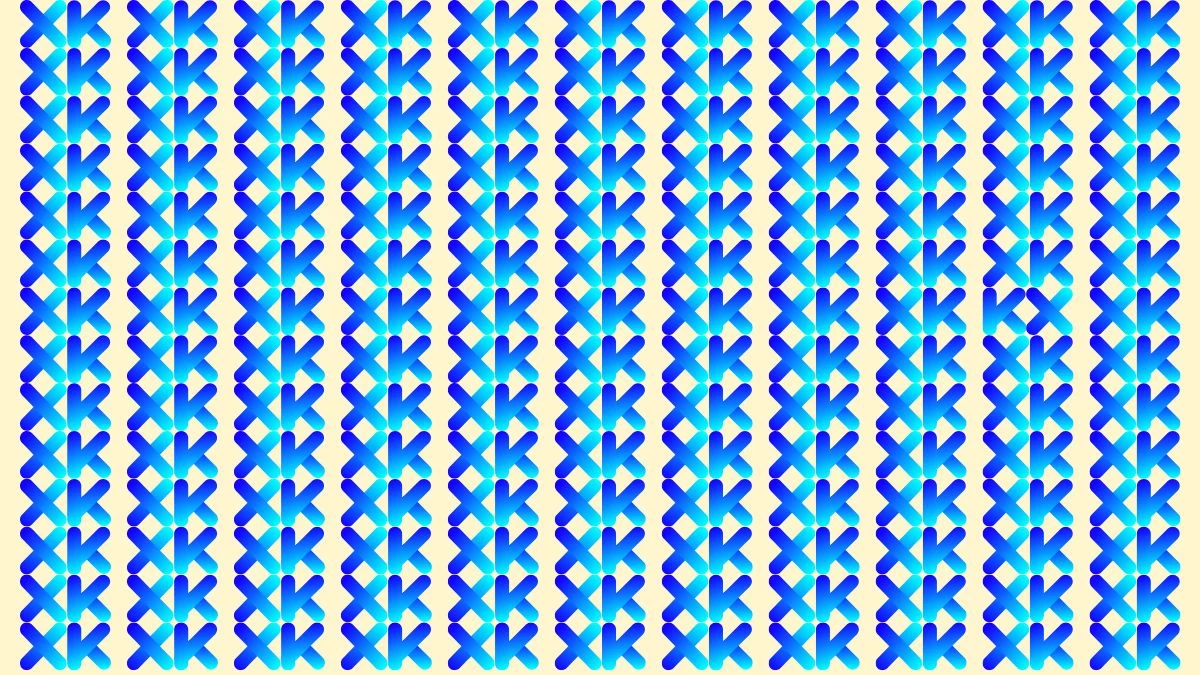

At first glance, this optical illusion may look like a soothing, repetitive pattern. A series of XK and KX combinations alternate across the image, creating a clean, orderly flow. But as you start scanning the pattern, something might feel a bit off.
Hidden within this orderly sequence is one KX that stands out slightly from the rest. Your task is to find the single KX within 10 seconds. While the difference is subtle, it’s there—waiting to be found.
Why Your Eyes Skip Over the KX at First
Your brain is excellent at recognizing patterns, especially repetitive ones. When you encounter a sequence like this, it expects consistency. The similarity between XK and KX makes the difference easy to miss. The only real distinction is the order of the letters, but your brain is used to seeing this pattern repeated, which helps it filter out the change without much thought.
This is why a relaxed, patient approach works better for these puzzles. If you’re scanning too quickly, you might overlook the small shift.
Solution: Where the KX Is Hidden
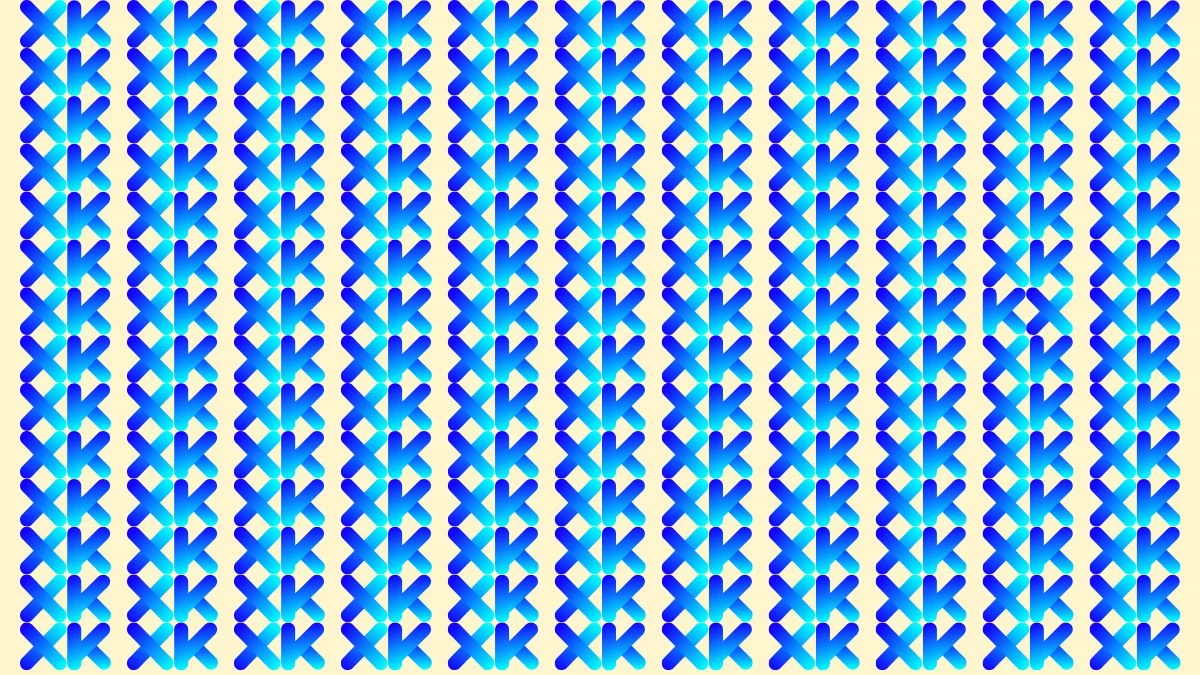
Now that you’ve had a moment to search, it’s time for the answer. The hidden KX is subtly different from the rest.
Solution: Where the KX Breaks the Pattern
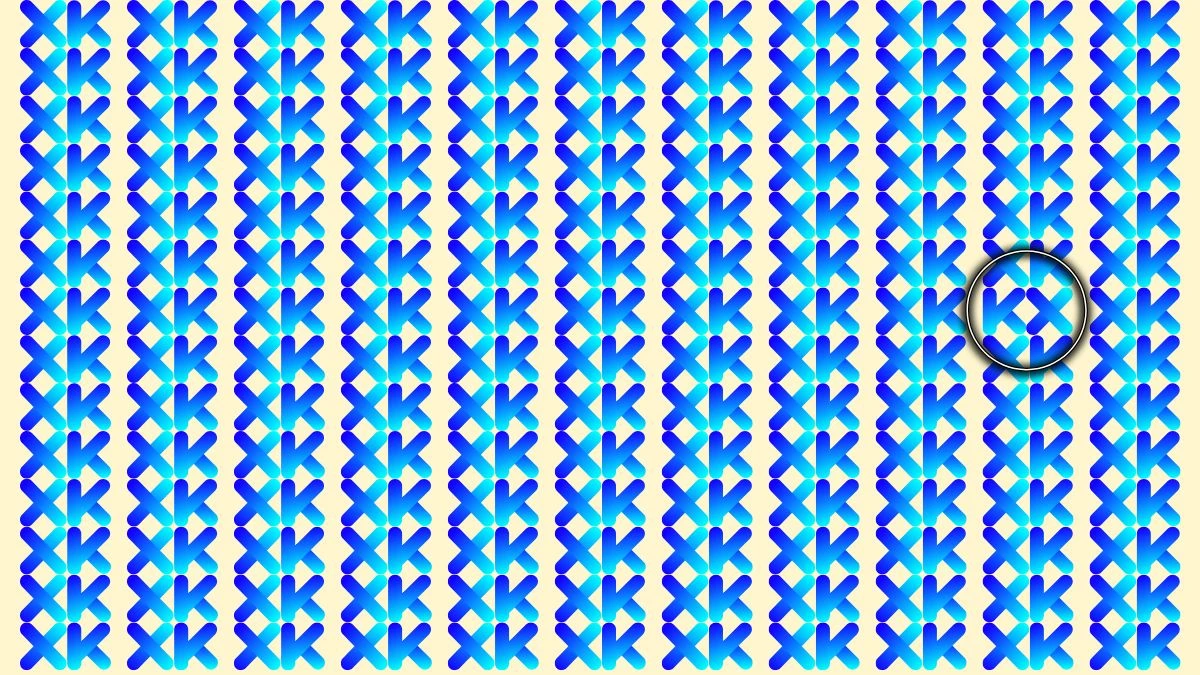
The KX that breaks the sequence is located in the 7th row of the grid, where the usual XK pattern switches to KX.
At first, you might have dismissed this as just another part of the repeating design, but when you stop and focus, it becomes clear.
Why This Optical Illusion Works So Well
This illusion plays with pattern recognition and orientation bias. Our brains are wired to focus on the most common elements in a pattern, which in this case are the repeating XK combinations. Since the KX is slightly reversed, your brain doesn’t immediately recognize the break in the pattern.
What happens mentally:
- The brain quickly groups items that look similar.
- The pattern “feels” complete, even with the inversion.
- Only when you pause and focus does the difference become obvious.
It’s a great example of how our brains filter out deviations from the norm—whether it’s a flipped letter or a change in shape.
A Smarter Way to Spot These Differences
If you want to spot differences in optical illusions like this more quickly, try these tips:
- Focus on the edges: Often, the differences lie at the ends of the patterns, where the symmetry is less noticeable.
- Compare one row or column at a time: Breaking down the pattern into smaller sections reduces the confusion.
- Pause between scans: Giving your eyes a moment to reset can help you spot the differences without missing subtle details.
By slowing down and focusing on the details, you’ll become faster at spotting these optical illusions.
This optical illusion is more than just a trick—it’s a reminder of how we process patterns and information. Our brains love efficiency, but sometimes that leads to missing small, crucial differences.
Whether you found the hidden KX right away or needed some extra time, you’ve just trained your brain to spot subtle changes in familiar patterns. That’s the real fun of these optical illusions!