Spot the Difference: A Small Construction Scene That Tests Big Attention
At first glance, this cheerful illustration feels familiar and calm. A smiling young engineer stands confidently at a construction site, holding a wrench while a crane and unfinished building frame the background. Nothing feels rushed. Nothing feels hidden. And that’s exactly why this puzzle works so well.
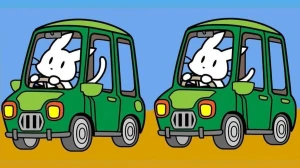
Your task is simple: find three differences between the two images. But don’t underestimate it. The changes are subtle enough to blend into the scene, especially if you rely on quick scanning instead of careful observation.
Why These Differences Are Easy to Miss
Most people begin by focusing on the main character—the helmet, the smile, the wrench. That’s natural. Our brains prioritize faces and central objects first. But in this puzzle, the real changes live slightly away from the center.
The illustration is intentionally balanced. Colors, shapes, and spacing remain consistent, which encourages your brain to assume sameness across both images. That assumption is what slows detection.
Instead of jumping around, try scanning one background area at a time.

The Three Differences, Clearly Explained
Here’s the solution—straightforward and fair, with no guessing required.
Solution: The 3 Differences Revealed
The three differences are:
- A bird on the crane arm - In one image, a small black bird is perched on the crane’s horizontal beam. In the other image, that bird is missing entirely.
- A person visible on the building - One version shows a small figure standing on the unfinished structure in the background. The other image has no person there.
- A rock on the ground - Near the bottom of the image, a gray rock appears on the ground in one picture but disappears in the other.
Once these details are pointed out, they become obvious—but spotting them without help is the real challenge.

Why This Puzzle Works on the Brain
This puzzle uses background detail masking, a common visual illusion technique. When background elements match the scene naturally, the brain labels them as unimportant and filters them out.
Here’s what happens mentally:
- The brain locks onto the main character
- Background details are processed as “context”
- Small additions or removals escape attention
- Only focused comparison reveals the changes
Because none of the differences disrupt the main action, your brain doesn’t flag them immediately.
A Smarter Way to Solve Spot-the-Difference Puzzles
If you enjoy puzzles like this, try changing how you look:
- Scan the background first, not the subject
- Compare corners before the center
- Move left to right in sections
- Avoid jumping randomly across the image
These habits reduce mental shortcuts and improve accuracy.